Optimizing Production Tips for Slipper Making
Starting a slipper manufacturing business requires the right combination of knowledge, equipment, and market understanding.
Key Aspects and Features
Building a strong distribution network is crucial for the success of a slipper manufacturing business. This includes establishing relationships with wholesalers, retailers, department stores, online platforms, and export buyers. Many successful manufacturers use a combination of direct sales and distribution channels to maximize market coverage. Trade fairs and footwear exhibitions provide excellent opportunities to connect with potential buyers and distributors from across India and internationally.
The return on investment for slipper making machines is typically attractive, with most manufacturers reporting payback periods of 8 to 14 months. The key factors that influence ROI include production volume, raw material costs, selling prices, and operational efficiency. Manufacturers who maintain high machine utilization rates and minimize material waste achieve the best returns on their investment in this high demand market.
Business and Market Overview
Training operators to efficiently run slipper making machines is essential for achieving consistent production quality and maximizing output. Training should cover machine operation, basic maintenance, quality inspection, safety procedures, and troubleshooting. Many machine manufacturers offer comprehensive training programs as part of the purchase agreement, and ongoing skill development helps maintain high production standards across all shifts.
Innovation in slipper making technology continues to drive improvements in production efficiency, product quality, and operational convenience. Recent innovations include multi color injection molding, automatic strap attachment systems, digital design integration, and improved cooling mechanisms for faster production cycles. These technological advancements help manufacturers stay competitive in a rapidly evolving footwear market.
Production and Operations
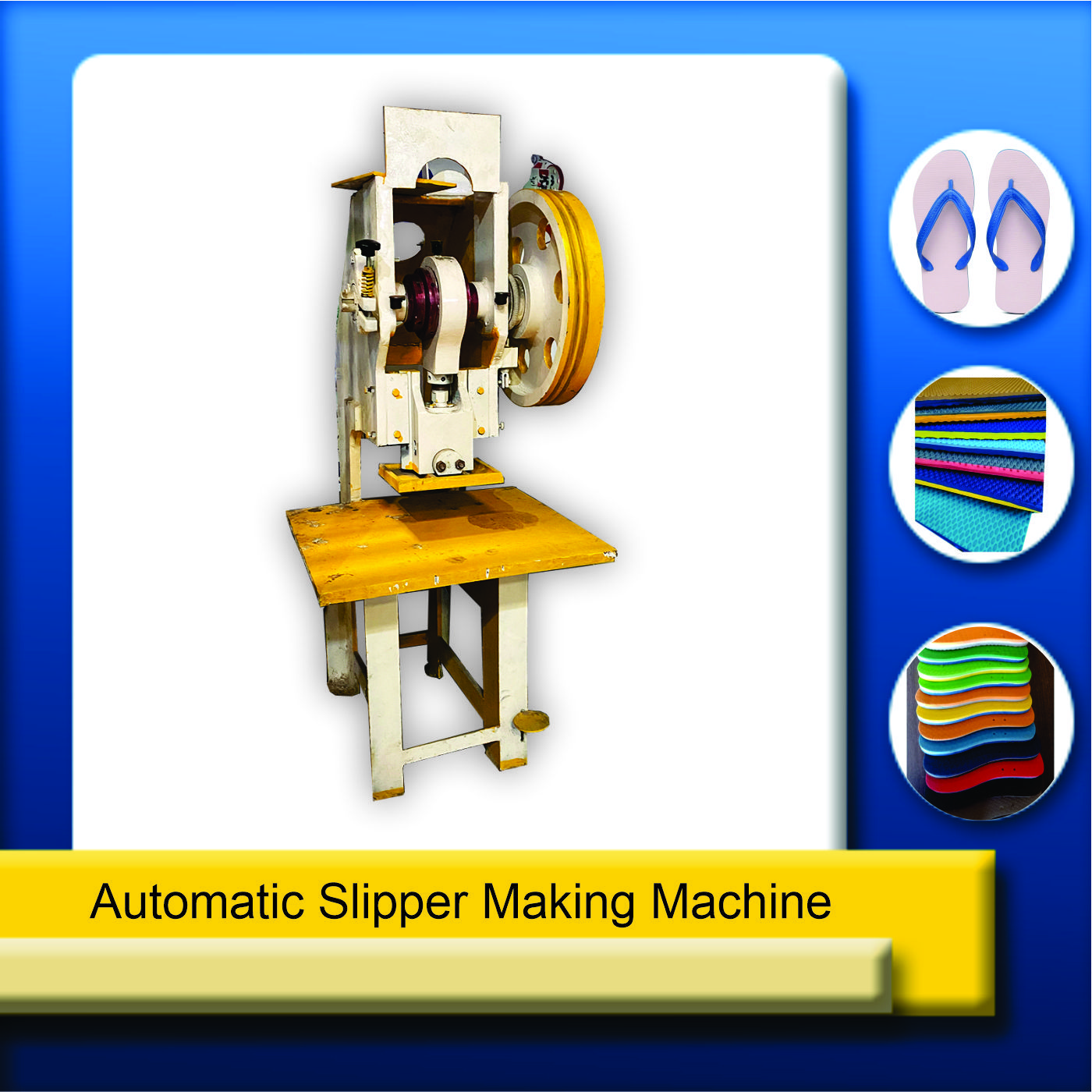
Machine maintenance is essential for ensuring consistent production quality and maximizing machine lifespan. Regular maintenance tasks include lubrication, mold cleaning, temperature calibration, hydraulic system servicing, and inspection of wear parts. Developing a comprehensive maintenance schedule and training operators on basic maintenance procedures helps prevent unplanned downtime and costly repairs.
Conclusion
As the demand for slippers continues to grow across domestic and international markets, investing in a modern slipper making machine represents a smart business decision. The combination of affordable entry costs, massive market demand, and attractive profit margins makes slipper manufacturing an ideal business opportunity for aspiring entrepreneurs.